
-
- More Americans Are Ending up Homeless and increased by 11%, the largest rise since 2007, driven by high housing costs and lack of affordable rental units.
-
- Escalating housing costs and supply-demand imbalance contribute to homelessness.
-
- Economic consequences include property value decline and difficulty in attracting employees for businesses.
-
- Solutions include increasing affordable housing supply, providing support services, and fostering public-private partnerships.
In The Land of the Free, a concerning trend is emerging …
Homelessness.
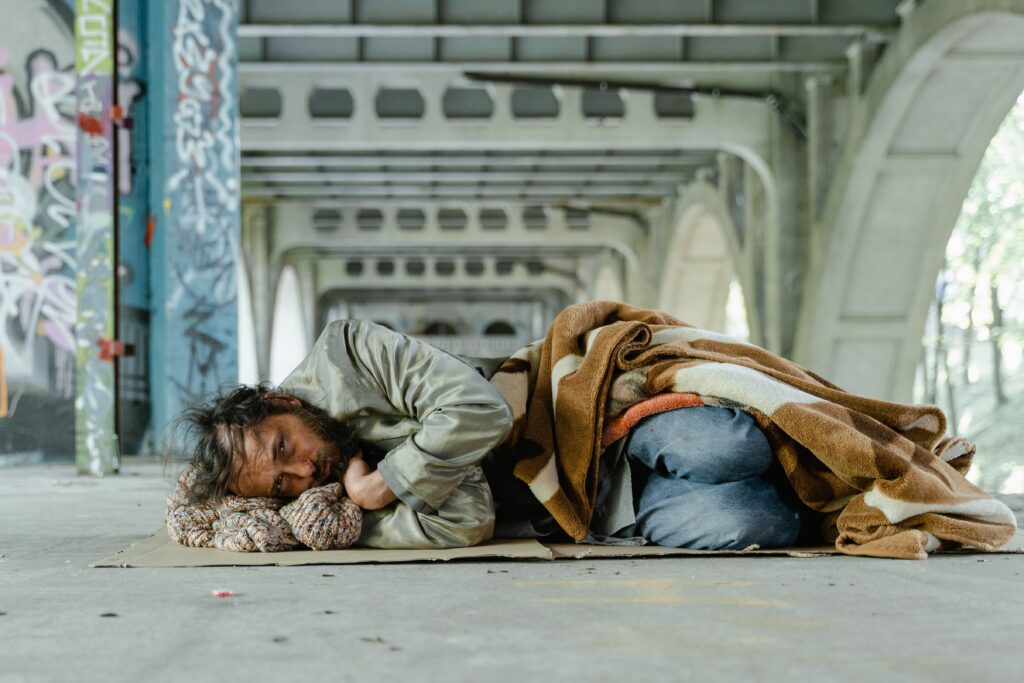
More Americans Are Ending up Homeless
11% up from this time last year, the biggest jump our country has seen since 2007. The next highest was a 2.9% increase in 2019.
What’s driving this surge of homeless people in our nation?
-
- Rising housing costs
-
- Lack of affordable rental units
The U.S. is known by the rest of the world as the land of opportunity and good fortunes. But inside out borders, people can’t seem to afford a roof over their head. What’s that about?
Well turns out, the primary driver of this is escalating housing costs. As prices soar, many individuals find themselves priced out of the market.
At the heart of this issue is the simple principle of supply and demand.
The U.S. housing market has seen a shortage in supply, with construction not keeping pace with the demand. In fact, we’re short about 4 million homes. This imbalance has driven up prices, making housing unaffordable for many.
The rise in homelessness is not just a social issue; it has economic ramifications as well. Areas with high homelessness can see a decline in property values, affecting real estate investors.
And businesses might find it challenging to attract employees if those employees can’t afford housing with their salary. There are different factors that contribute to homelessness. They can range from people with addiction to mental illness. But in this case, the 11% increase, the biggest factor is the lack of affordable homes.
Different Solutions to Address Homelessness
More Americans Are Ending up Homeless and here are the Different Solutions
There are a number of different solutions that have been proposed to address homelessness, including:
-
- Increasing the supply of affordable housing: This is one of the most important things that can be done to address homelessness. By building more affordable housing, we can make it more possible for people to find a place to live that they can afford.
-
- Providing support services: People who are homeless often need support services, such as job training, mental health care, and addiction treatment. By providing these services, we can help people to get back on their feet and become self-sufficient.
-
- Creating public-private partnerships: Public-private partnerships can be a valuable tool for addressing homelessness. By working together, the government and the private sector can develop innovative solutions that address the root causes of the problem.
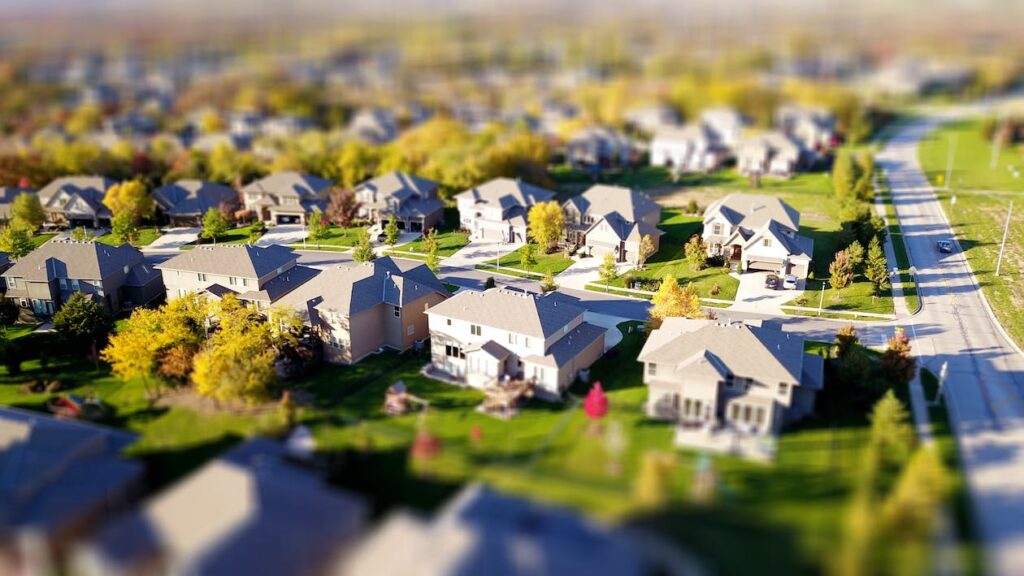
The Role of Affordable Housing
According to the article in The Journal, the issue is (most) people can’t afford to put a roof over their heads.
So the solution would be to build more affordable housing right?
If only it were that easy. Apartments are more expensive to build than market-rate housing, lack of political will, and zoning restrictions all make it tough to make new buildings.
But for the buildings that already exist, especially ones that have lower rent, increased demand can be expected.
As I’ve said, people always will need food, water, and shelter.
A study by the National Low Income Housing Coalition found that every $1 invested in affordable housing generates $4 in economic returns.
This is because affordable housing creates jobs, stimulates the local economy, and reduces the need for government spending on homelessness services.
The rising tide of homelessness is a serious problem that affects millions of people in the United States. There are things that you can do to contribute to a solution, and they just so happen to be up our wheelhouse.
If you want to learn more about multifamily and why it’s in so much demand right now, reach out out to us and we’ll set up a call.